

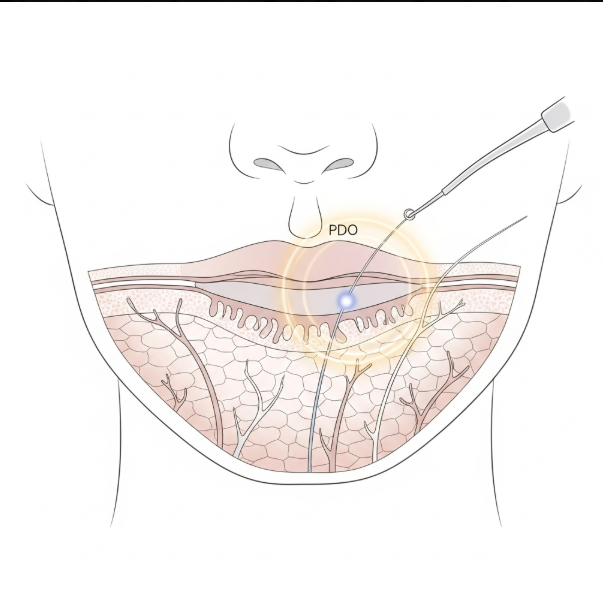
PDO thread lifts have become a popular non-surgical facelift option, offering a minimally invasive way to lift and rejuvenate the face. Using sterile polydioxanone (PDO) threads, this procedure can restore facial contours, reduce sagging, and smooth wrinkles, providing natural-looking results without major surgery.
If you’re considering a thread-lifting procedure, it’s important to understand the process, potential risks, preparation requirements, and aftercare to ensure safe and effective results.
What is a PDO Thread Lift?
A PDO thread lift involves inserting biodegradable threads under the skin to lift and tighten sagging areas. The threads stimulate collagen production, improving skin elasticity and texture over time. Common treatment areas include:
- Cheeks and mid-face
- Jawline and jowls
- Nasolabial folds
- Eyebrows and forehead
Unlike surgical facelifts, PDO threads require minimal downtime and offer a subtle, refreshed appearance.
Preparing for a Thread Lift Procedure
Before undergoing a thread lift, you will complete a medical screening form to ensure suitability for the procedure. This includes providing information about:
- Medical conditions (e.g., autoimmune diseases, allergies, skin conditions, infections, pregnancy)
- Medications and supplements (e.g., anticoagulants, anti-inflammatories, vitamins that affect bleeding)
- Previous cosmetic treatments received in the last six months
This step is crucial to minimise risks and ensure safe outcomes.
What to Expect During the Procedure
During the procedure:
- PDO threads are inserted into targeted areas to lift and support the skin.
- Local anaesthetics are applied to reduce discomfort.
- The practitioner explains the technique, thread type, quantity, and expected results.
Recovery may vary depending on individual factors, but generally includes mild swelling, bruising, or tenderness at the treatment sites.
Potential Risks and Complications
Like all cosmetic procedures, PDO thread lifts carry some risks, including:
- Bruising or swelling
- Mild asymmetry
- Pain or discomfort
- Thread extrusion or displacement
- Infection or hematoma
- Rare complications such as skin dimpling or nerve irritation
Choosing a qualified, experienced practitioner helps minimise these risks.
Post-Procedure Care
Proper aftercare is essential for optimal results:
- Keep the treated area clean and dry
- Avoid strenuous activity, heavy facial movements, or massaging the area
- Apply ice packs as recommended to reduce swelling
- Take prescribed medications, such as antibiotics or pain relievers, if advised
- Attend follow-up appointments for monitoring and thread adjustments if needed
Recovery usually takes a few weeks, and results gradually improve as collagen production enhances skin structure.
Final Thoughts
A PDO thread lift is an effective, non-surgical solution for facial rejuvenation, helping restore volume, lift sagging skin, and smooth wrinkles. By understanding the procedure, potential risks, and proper aftercare, patients can achieve safe, natural-looking results.
Key Takeaways:
- PDO threads provide a minimally invasive facelift and stimulate collagen
- Medical screening ensures patient safety and suitability
- Potential risks are minimal when performed by an experienced practitioner
- Post-procedure care and follow-ups are crucial for the best outcome
PDO thread lifts have become a popular non-surgical facelift option, offering a minimally invasive way to lift and rejuvenate the face. Using sterile polydioxanone (PDO) threads, this procedure can restore facial contours, reduce sagging, and smooth wrinkles, providing natural-looking results without major surgery.
If you’re considering a thread-lifting procedure, it’s important to understand the process, potential risks, preparation requirements, and aftercare to ensure safe and effective results.
What is a PDO Thread Lift?
A PDO thread lift involves inserting biodegradable threads under the skin to lift and tighten sagging areas. The threads stimulate collagen production, improving skin elasticity and texture over time. Common treatment areas include:
- Cheeks and mid-face
- Jawline and jowls
- Nasolabial folds
- Eyebrows and forehead
Unlike surgical facelifts, PDO threads require minimal downtime and offer a subtle, refreshed appearance.
Preparing for a Thread Lift Procedure
Before undergoing a thread lift, you will complete a medical screening form to ensure suitability for the procedure. This includes providing information about:
- Medical conditions (e.g., autoimmune diseases, allergies, skin conditions, infections, pregnancy)
- Medications and supplements (e.g., anticoagulants, anti-inflammatories, vitamins that affect bleeding)
- Previous cosmetic treatments received in the last six months
This step is crucial to minimise risks and ensure safe outcomes.
What to Expect During the Procedure
During the procedure:
- PDO threads are inserted into targeted areas to lift and support the skin.
- Local anaesthetics are applied to reduce discomfort.
- The practitioner explains the technique, thread type, quantity, and expected results.
Recovery may vary depending on individual factors, but generally includes mild swelling, bruising, or tenderness at the treatment sites.
Potential Risks and Complications
Like all cosmetic procedures, PDO thread lifts carry some risks, including:
- Bruising or swelling
- Mild asymmetry
- Pain or discomfort
- Thread extrusion or displacement
- Infection or hematoma
- Rare complications such as skin dimpling or nerve irritation
Choosing a qualified, experienced practitioner helps minimise these risks.
Post-Procedure Care
Proper aftercare is essential for optimal results:
- Keep the treated area clean and dry
- Avoid strenuous activity, heavy facial movements, or massaging the area
- Apply ice packs as recommended to reduce swelling
- Take prescribed medications, such as antibiotics or pain relievers, if advised
- Attend follow-up appointments for monitoring and thread adjustments if needed
Recovery usually takes a few weeks, and results gradually improve as collagen production enhances skin structure.
Final Thoughts
A PDO thread lift is an effective, non-surgical solution for facial rejuvenation, helping restore volume, lift sagging skin, and smooth wrinkles. By understanding the procedure, potential risks, and proper aftercare, patients can achieve safe, natural-looking results.
Key Takeaways:
- PDO threads provide a minimally invasive facelift and stimulate collagen
- Medical screening ensures patient safety and suitability
- Potential risks are minimal when performed by an experienced practitioner
- Post-procedure care and follow-ups are crucial for the best outcome